Buy gsh.co.at ?
We are moving the project
gsh.co.at .
Are you interested in purchasing the domain
gsh.co.at ?
domain@kv-gmbh.de · 0541-91531010
Buy gsh.co.at ?
Are algae prokaryotes?
No, algae are not prokaryotes. Algae are a diverse group of photosynthetic organisms that can be found in various environments, including freshwater and marine habitats. They are eukaryotic organisms, meaning they have a true nucleus and other membrane-bound organelles within their cells. This distinguishes them from prokaryotes, which lack a true nucleus and membrane-bound organelles. **
Are amoebas prokaryotes?
No, amoebas are not prokaryotes. Amoebas are eukaryotic organisms, meaning they have a true nucleus and other membrane-bound organelles within their cells. Prokaryotes, on the other hand, are organisms that lack a true nucleus and other membrane-bound organelles. Examples of prokaryotes include bacteria and archaea. **
Similar search terms for Prokaryotes
Top-Angebote
Products related to Prokaryotes:
-
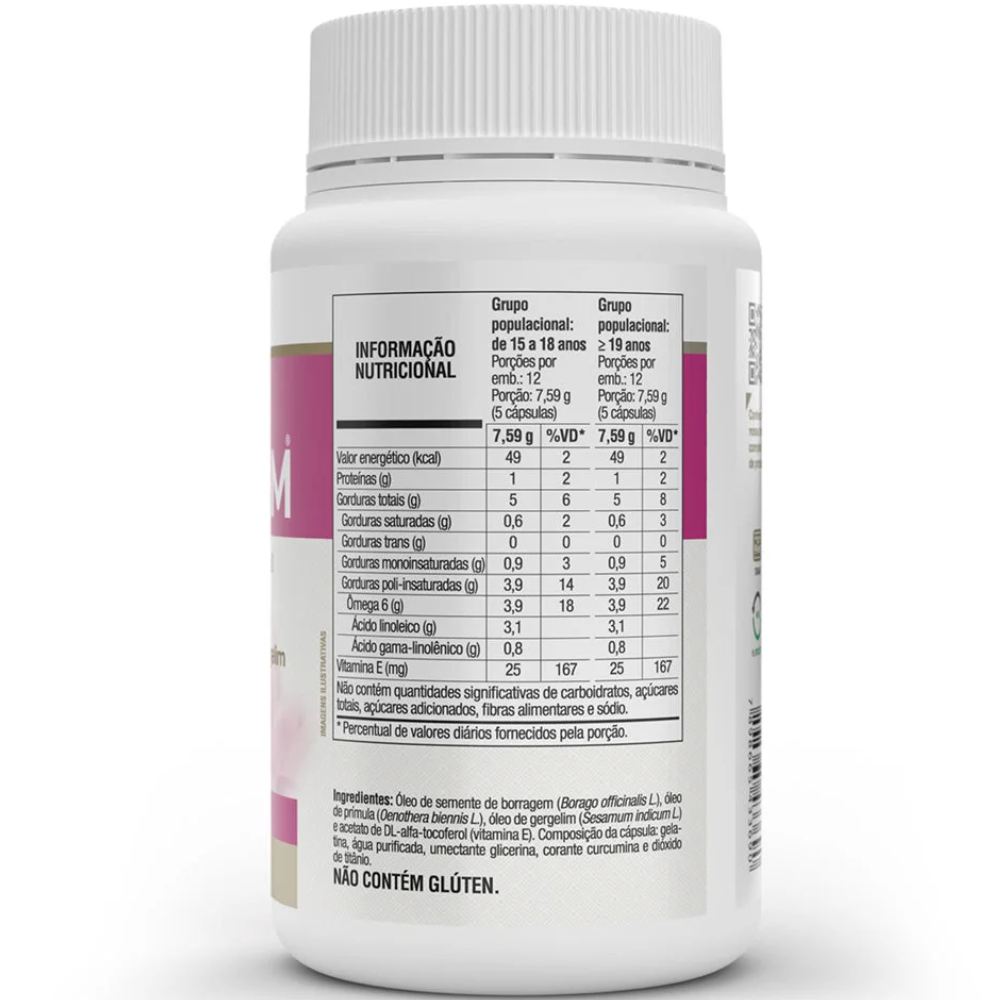
Vitafor Boraprim Food Supplement Antioxidant 30 caps.A food supplement. Boraprim Food Supplement is a premium dietary supplement designed to support hormonal balance and women's well-being throughout their cycles. Formulated as softgel capsules, it combines the benefits of evening primrose oil, borage oil, and sesame oil, addressing key health concerns like PMS symptoms and skin hydration.16,01 £*Shipping: 5,22 £Secure redirect to the provider
-
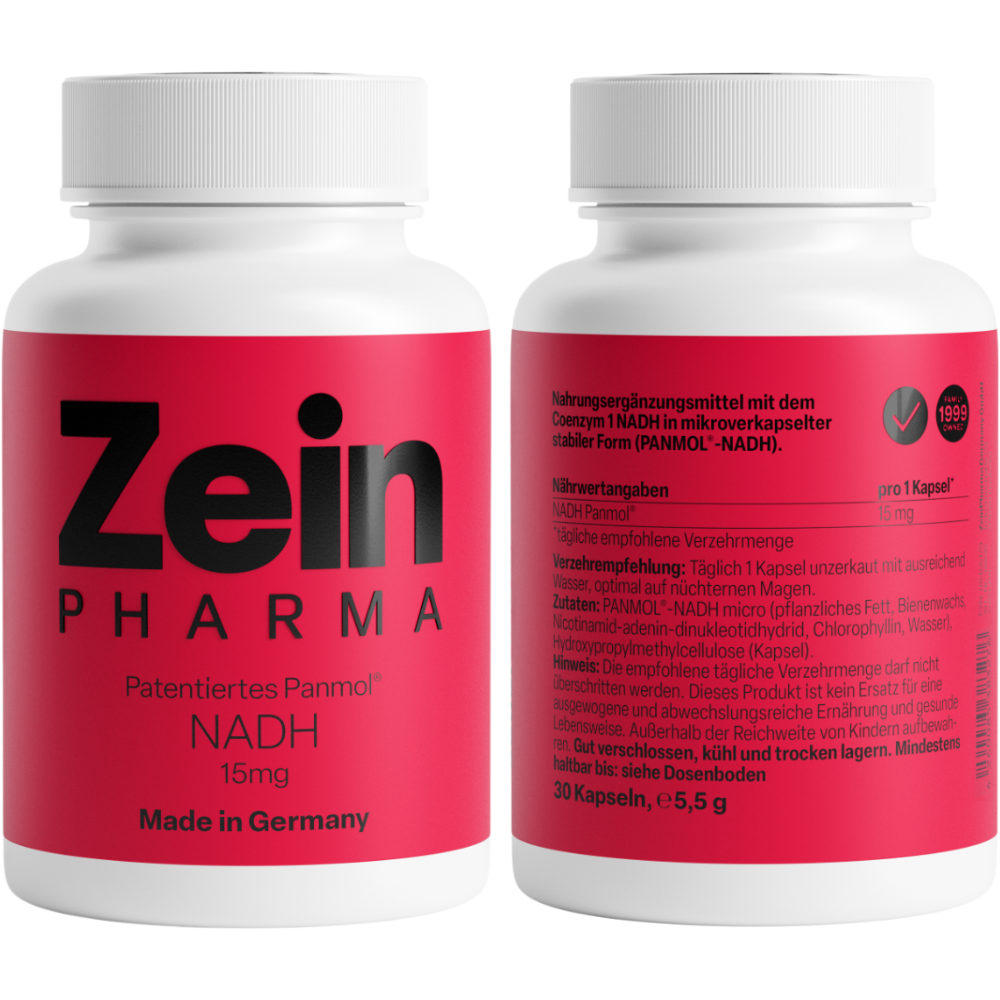
ZeinPharma NADH 15mg Antioxidant Food Supplement 40 caps.A food supplement. It a potent antioxidant that supports the body in combating stress and fatigue. This natural compound enhances immune function, boosts energy levels, and improves memory, making it ideal for those seeking to elevate their overall vitality. Powerful antioxidant properties. Supports cognitive function and memory.50,94 £*Shipping: 4,12 £Secure redirect to the provider
-
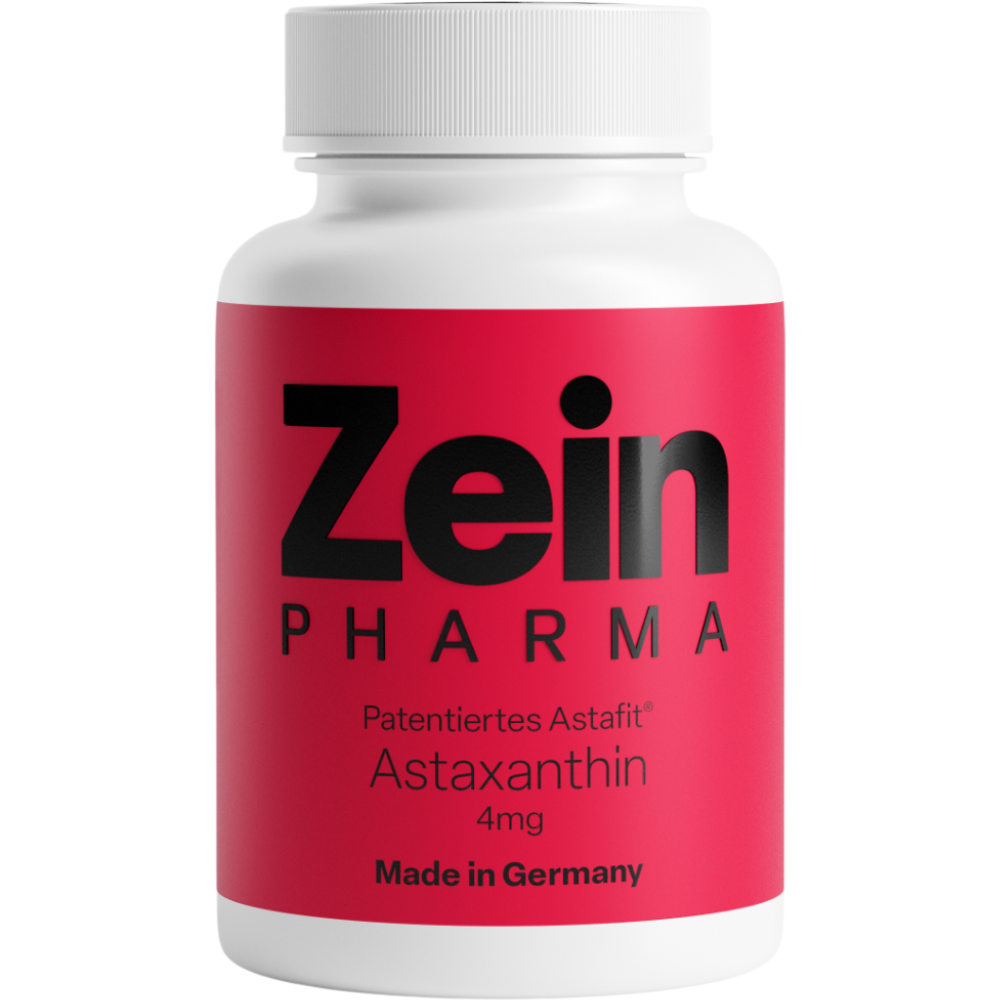
ZeinPharma Astaxanthin 4mg Antioxidant Food Supplement 90 caps.A food supplement. It a powerful antioxidant derived from natural microalgae, designed to support overall health and well-being. This supplement is known for its ability to strengthen the immune system, provide natural UV protection, and reduce inflammation, making it ideal for those concerned with joint pain and cardiovascular health.35,83 £*Shipping: 5,22 £Secure redirect to the provider

-
Are prokaryotes human cells?
No, prokaryotes are not human cells. Prokaryotes are single-celled organisms that lack a true nucleus and other membrane-bound organelles, while human cells are eukaryotic, meaning they have a true nucleus and other membrane-bound organelles. Prokaryotes include bacteria and archaea, while human cells are part of the complex multicellular organism known as Homo sapiens. **
-
When did prokaryotes originate?
Prokaryotes are believed to have originated around 3.5 billion years ago, making them some of the earliest forms of life on Earth. **
-
What are prokaryotes and mitochondria?
Prokaryotes are single-celled organisms that lack a nucleus and other membrane-bound organelles. They are typically smaller and simpler in structure compared to eukaryotic cells. Prokaryotes include bacteria and archaea. Mitochondria are membrane-bound organelles found in eukaryotic cells. They are often referred to as the "powerhouses" of the cell because they generate energy in the form of ATP through a process called cellular respiration. Mitochondria have their own DNA and are thought to have originated from a symbiotic relationship between an ancestral eukaryotic cell and a prokaryotic cell. **
-
Are humans prokaryotes or eukaryotes?
Humans are eukaryotes. Eukaryotes are organisms whose cells have a true nucleus containing their genetic material, while prokaryotes do not have a nucleus. Human cells, like all other animals, plants, fungi, and protists, are eukaryotic cells. **

What are eukaryotes and prokaryotes?
Eukaryotes are organisms whose cells have a true nucleus, which contains their genetic material. They also have other membrane-bound organelles, such as mitochondria and the endoplasmic reticulum. Examples of eukaryotes include plants, animals, fungi, and protists. Prokaryotes, on the other hand, are organisms whose cells do not have a true nucleus or other membrane-bound organelles. Their genetic material is located in the cytoplasm, and they are typically smaller and simpler in structure compared to eukaryotic cells. Examples of prokaryotes include bacteria and archaea. **
What are prokaryotes and eukaryotes exactly?
Prokaryotes are single-celled organisms that lack a distinct nucleus and other membrane-bound organelles. Their genetic material is located in the cytoplasm in the form of a single circular chromosome. Eukaryotes, on the other hand, are organisms whose cells contain a distinct nucleus and other membrane-bound organelles. Their genetic material is organized into multiple linear chromosomes within the nucleus. Eukaryotes can be single-celled or multicellular organisms and include a wide range of organisms such as plants, animals, fungi, and protists. **
Top-Angebote
Products related to Prokaryotes:
-
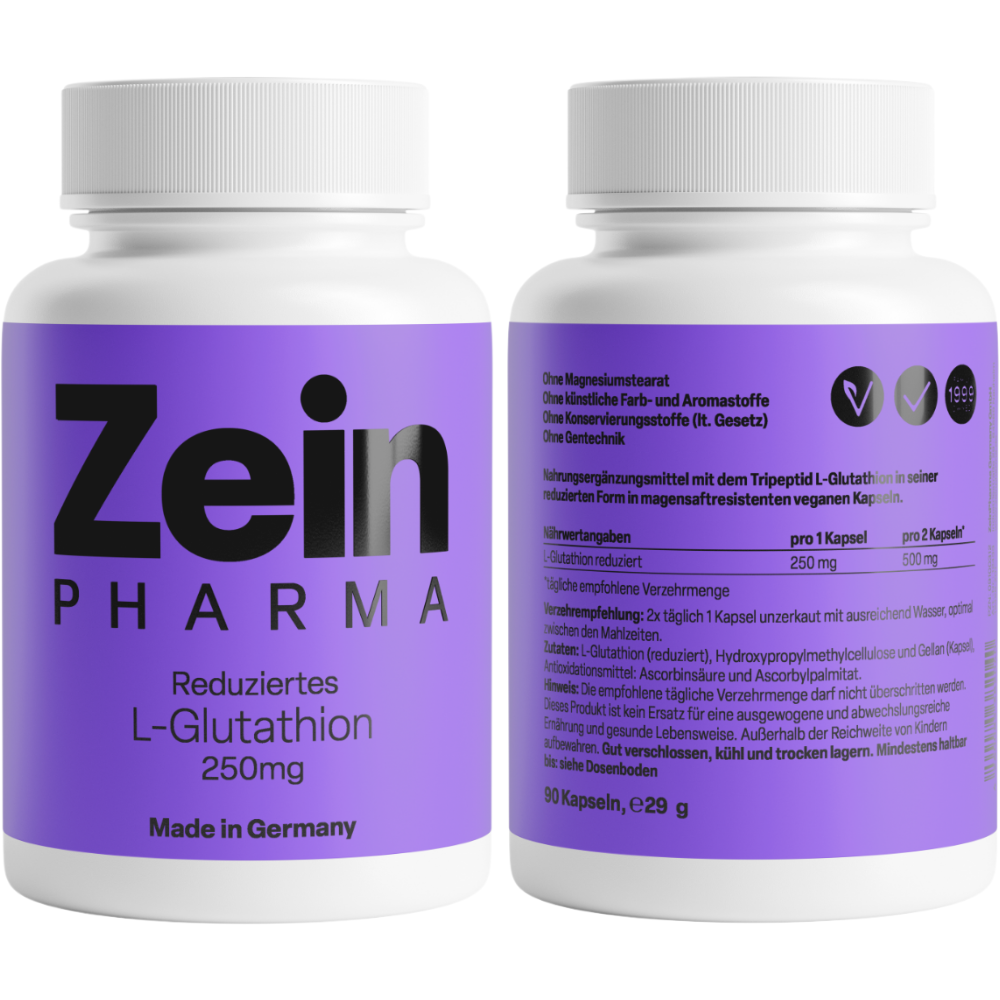
ZeinPharma L-Glutathione 250mg Antioxidant Food Supplement 90 caps.A food supplement for wrinkles and signs of ageing. It a powerful antioxidant that enhances oxygen levels and strengthens the immune system. Supports immune system function. Powerful antioxidant properties. Free from gluten, lactose, and artificial additives. L-Glutathione: Antioxidant that protects cells from free radicals.59,87 £*Shipping: 5,22 £Secure redirect to the provider
-
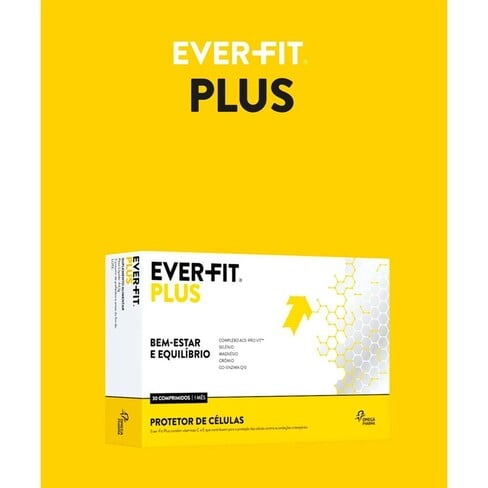
Ever-Fit Plus Antioxidant Supplement Balance and Wellness 30 pills Expiration Date: 2026-11-30A skin-care product for redness. Pollution, stress and smoking are aggressions present in our daily lives, and promote an exaggerated production of oxidizing free radicals. These substances contribute to the premature ageing and weakening of our cells. which can translate into tiredness and lack of productivity in our day-to-day activities.11,53 £*Shipping: 5,22 £Secure redirect to the provider
-
Vitafor Boraprim Food Supplement Antioxidant 30 caps.A food supplement. Boraprim Food Supplement is a premium dietary supplement designed to support hormonal balance and women's well-being throughout their cycles. Formulated as softgel capsules, it combines the benefits of evening primrose oil, borage oil, and sesame oil, addressing key health concerns like PMS symptoms and skin hydration.16,01 £*Shipping: 5,22 £Secure redirect to the provider
-
ZeinPharma NADH 15mg Antioxidant Food Supplement 40 caps.A food supplement. It a potent antioxidant that supports the body in combating stress and fatigue. This natural compound enhances immune function, boosts energy levels, and improves memory, making it ideal for those seeking to elevate their overall vitality. Powerful antioxidant properties. Supports cognitive function and memory.50,94 £*Shipping: 4,12 £Secure redirect to the provider
-
Are algae prokaryotes?
No, algae are not prokaryotes. Algae are a diverse group of photosynthetic organisms that can be found in various environments, including freshwater and marine habitats. They are eukaryotic organisms, meaning they have a true nucleus and other membrane-bound organelles within their cells. This distinguishes them from prokaryotes, which lack a true nucleus and membrane-bound organelles. **
-
Are amoebas prokaryotes?
No, amoebas are not prokaryotes. Amoebas are eukaryotic organisms, meaning they have a true nucleus and other membrane-bound organelles within their cells. Prokaryotes, on the other hand, are organisms that lack a true nucleus and other membrane-bound organelles. Examples of prokaryotes include bacteria and archaea. **
-
Are prokaryotes human cells?
No, prokaryotes are not human cells. Prokaryotes are single-celled organisms that lack a true nucleus and other membrane-bound organelles, while human cells are eukaryotic, meaning they have a true nucleus and other membrane-bound organelles. Prokaryotes include bacteria and archaea, while human cells are part of the complex multicellular organism known as Homo sapiens. **
-
When did prokaryotes originate?
Prokaryotes are believed to have originated around 3.5 billion years ago, making them some of the earliest forms of life on Earth. **
Similar search terms for Prokaryotes
-
ZeinPharma Astaxanthin 4mg Antioxidant Food Supplement 90 caps.A food supplement. It a powerful antioxidant derived from natural microalgae, designed to support overall health and well-being. This supplement is known for its ability to strengthen the immune system, provide natural UV protection, and reduce inflammation, making it ideal for those concerned with joint pain and cardiovascular health.35,83 £*Shipping: 5,22 £Secure redirect to the provider
-
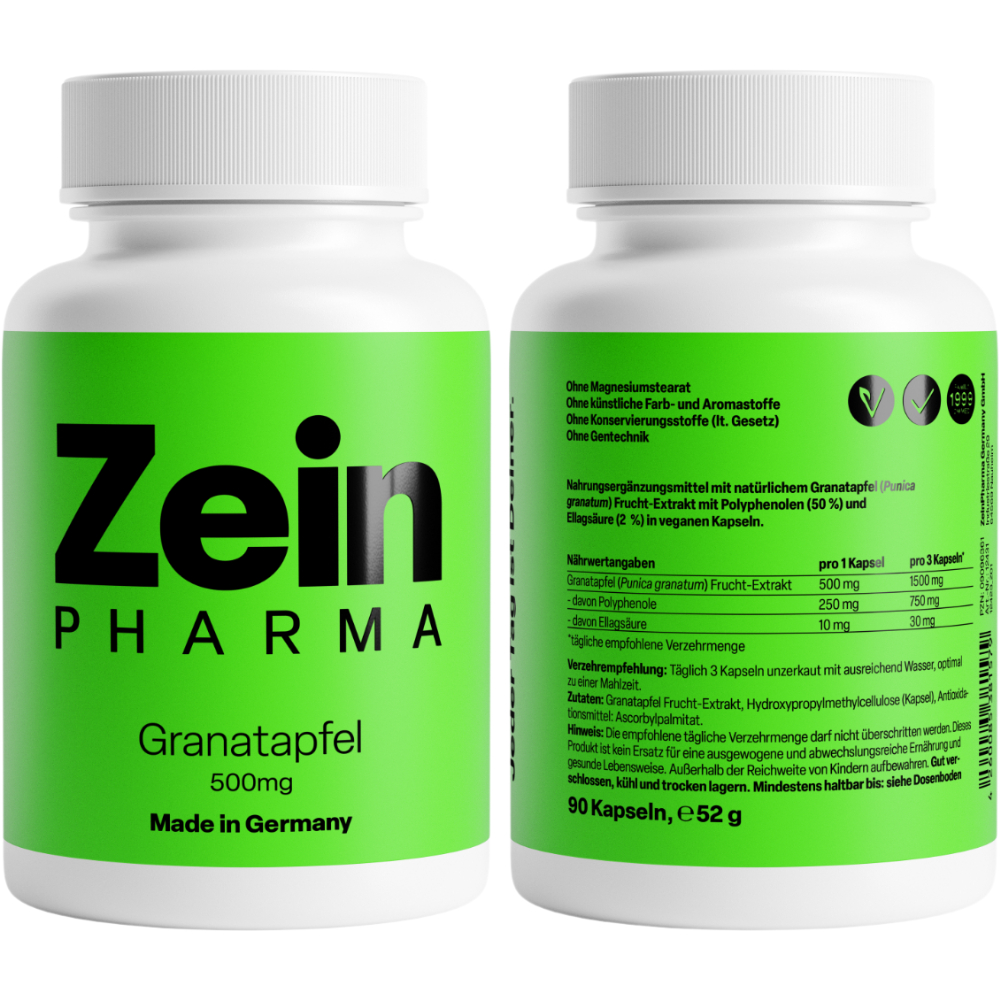
ZeinPharma Pomegranate Extract 500mg Antioxidant Food Supplement 90 caps.A food supplement. It a potent antioxidant that supports cardiovascular health, optimizes sugar metabolism, and provides effective anti-aging benefits. This easy-to-swallow capsule offers a smooth texture, making it a convenient addition to any wellness routine. Supports cardiovascular health. Optimizes sugar metabolism.34,30 £*Shipping: 5,22 £Secure redirect to the provider
-
ZeinPharma Trans-Resveratrol 125mg Antioxidant Food Supplement 120 caps.A food supplement. It a powerful antioxidant supplement that supports cardiovascular health while optimizing lipid metabolism. This vegetarian-friendly capsule offers a smooth texture and is easy to incorporate into daily routines, addressing concerns like high cholesterol and premature aging. Supports cardiovascular health.51,26 £*Shipping: 5,22 £Secure redirect to the provider
-
What are prokaryotes and mitochondria?
Prokaryotes are single-celled organisms that lack a nucleus and other membrane-bound organelles. They are typically smaller and simpler in structure compared to eukaryotic cells. Prokaryotes include bacteria and archaea. Mitochondria are membrane-bound organelles found in eukaryotic cells. They are often referred to as the "powerhouses" of the cell because they generate energy in the form of ATP through a process called cellular respiration. Mitochondria have their own DNA and are thought to have originated from a symbiotic relationship between an ancestral eukaryotic cell and a prokaryotic cell. **
-
Are humans prokaryotes or eukaryotes?
Humans are eukaryotes. Eukaryotes are organisms whose cells have a true nucleus containing their genetic material, while prokaryotes do not have a nucleus. Human cells, like all other animals, plants, fungi, and protists, are eukaryotic cells. **
-
What are eukaryotes and prokaryotes?
Eukaryotes are organisms whose cells have a true nucleus, which contains their genetic material. They also have other membrane-bound organelles, such as mitochondria and the endoplasmic reticulum. Examples of eukaryotes include plants, animals, fungi, and protists. Prokaryotes, on the other hand, are organisms whose cells do not have a true nucleus or other membrane-bound organelles. Their genetic material is located in the cytoplasm, and they are typically smaller and simpler in structure compared to eukaryotic cells. Examples of prokaryotes include bacteria and archaea. **
-
What are prokaryotes and eukaryotes exactly?
Prokaryotes are single-celled organisms that lack a distinct nucleus and other membrane-bound organelles. Their genetic material is located in the cytoplasm in the form of a single circular chromosome. Eukaryotes, on the other hand, are organisms whose cells contain a distinct nucleus and other membrane-bound organelles. Their genetic material is organized into multiple linear chromosomes within the nucleus. Eukaryotes can be single-celled or multicellular organisms and include a wide range of organisms such as plants, animals, fungi, and protists. **
* All prices are inclusive of VAT and, if applicable, plus shipping costs. The offer information is based on the details provided by the respective shop and is updated through automated processes. Real-time updates do not occur, so deviations can occur in individual cases. ** Note: Parts of this content were created by AI.