Buy gsh.co.at ?
We are moving the project
gsh.co.at .
Are you interested in purchasing the domain
gsh.co.at ?
domain@kv-gmbh.de · 0541-91531010
Buy gsh.co.at ?
What is soot deposition on the wall?
Soot deposition on the wall refers to the accumulation of fine black particles on the surface of a wall. This soot is typically a byproduct of incomplete combustion of carbon-based fuels, such as wood, coal, or oil. It can be caused by sources such as fireplaces, candles, cooking, or smoking. Soot deposition can create unsightly black stains on walls and ceilings and may also pose health risks if inhaled. Regular cleaning and proper ventilation can help prevent soot deposition in indoor spaces. **
What is retrogressive erosion or retrogressive deposition?
Retrogressive erosion is the process by which a river or stream cuts backward into the landscape, causing the erosion of the land and the formation of steep-sided valleys or gullies. This can occur due to changes in the river's flow or the underlying geology of the area. Retrogressive deposition, on the other hand, is the process by which sediment is deposited in a backward or upstream direction, often due to a decrease in the river's flow or changes in the sediment load. Both processes can significantly alter the landscape and contribute to the shaping of the Earth's surface over time. **
Similar search terms for Deposition
Top-Angebote
Products related to Deposition:
-
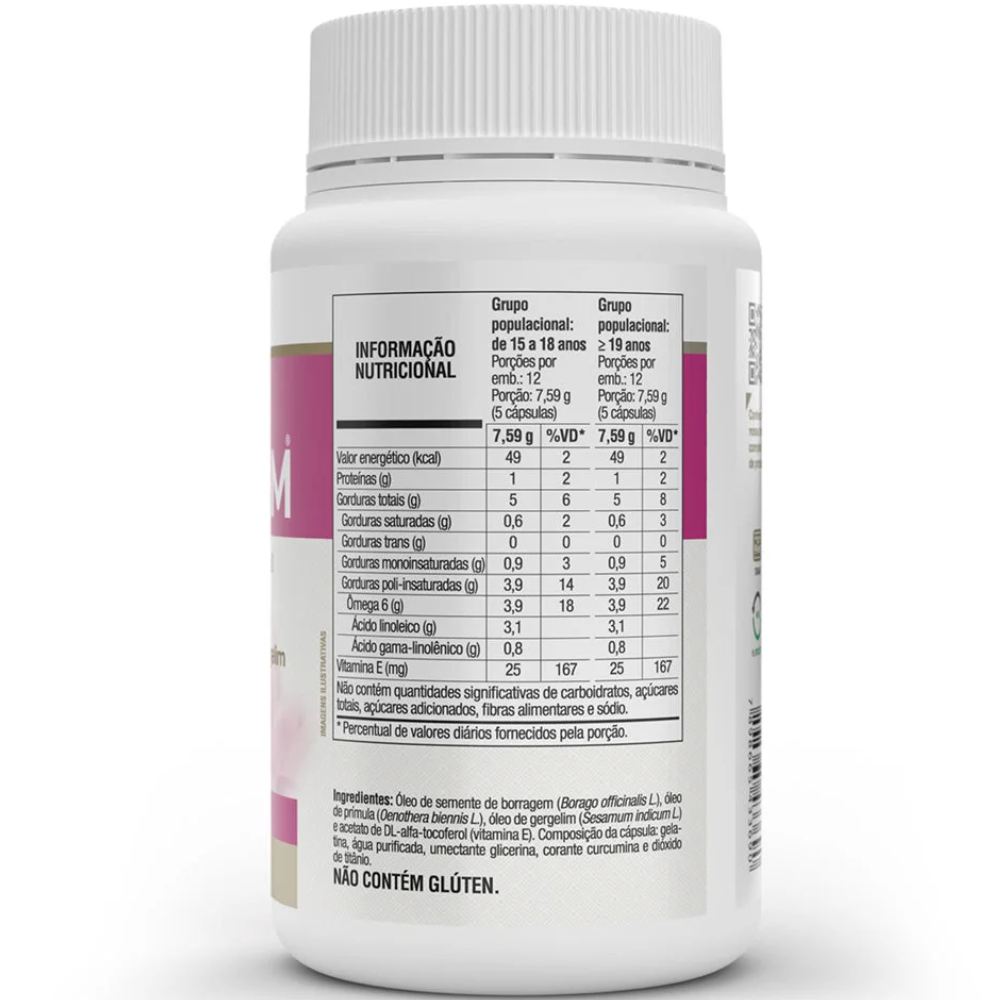
Vitafor Boraprim Food Supplement Antioxidant 30 caps.A food supplement. Boraprim Food Supplement is a premium dietary supplement designed to support hormonal balance and women's well-being throughout their cycles. Formulated as softgel capsules, it combines the benefits of evening primrose oil, borage oil, and sesame oil, addressing key health concerns like PMS symptoms and skin hydration.16,01 £*Shipping: 5,22 £Secure redirect to the provider
-
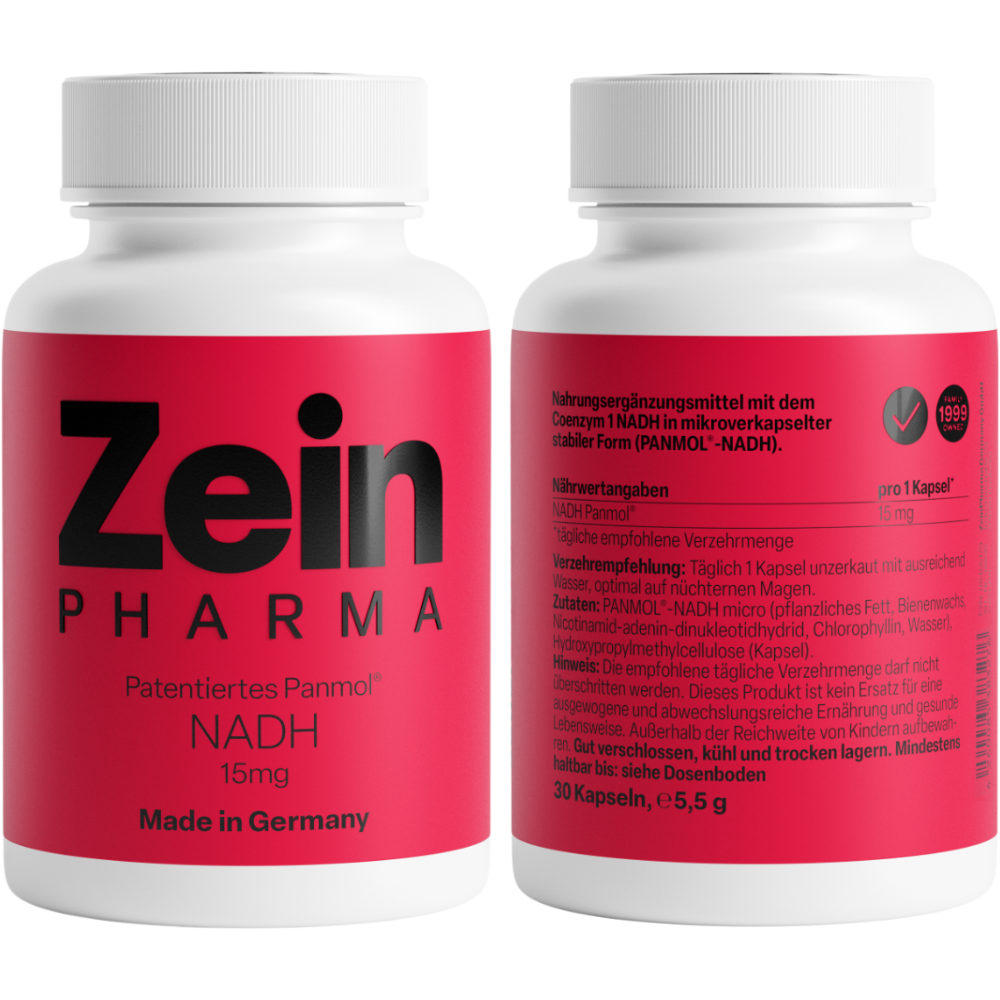
ZeinPharma NADH 15mg Antioxidant Food Supplement 40 caps.A food supplement. It a potent antioxidant that supports the body in combating stress and fatigue. This natural compound enhances immune function, boosts energy levels, and improves memory, making it ideal for those seeking to elevate their overall vitality. Powerful antioxidant properties. Supports cognitive function and memory.50,94 £*Shipping: 4,12 £Secure redirect to the provider
-
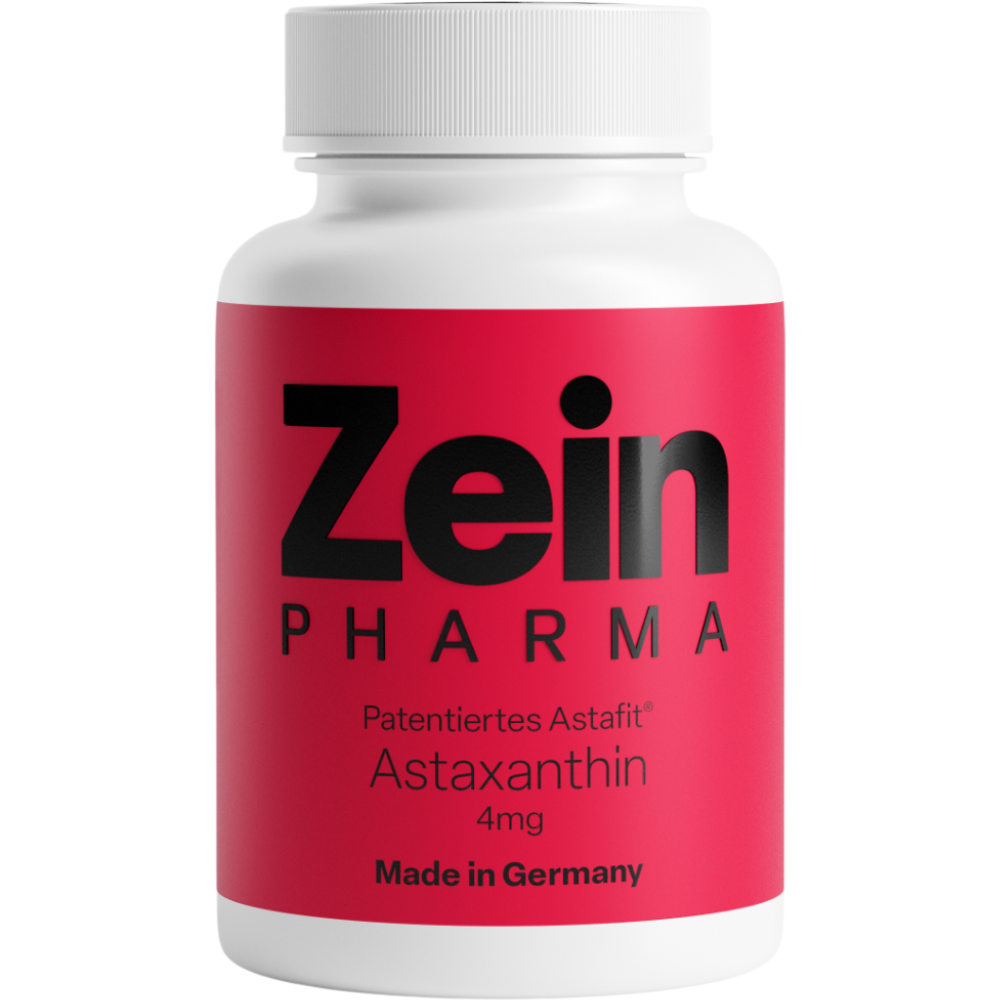
ZeinPharma Astaxanthin 4mg Antioxidant Food Supplement 90 caps.A food supplement. It a powerful antioxidant derived from natural microalgae, designed to support overall health and well-being. This supplement is known for its ability to strengthen the immune system, provide natural UV protection, and reduce inflammation, making it ideal for those concerned with joint pain and cardiovascular health.35,83 £*Shipping: 5,22 £Secure redirect to the provider

-
How does copper deposition work according to Faraday's law?
Copper deposition according to Faraday's law occurs through the process of electrolysis. When a copper salt solution is electrolyzed, an electric current is passed through the solution, causing copper ions to gain electrons at the cathode and deposit as solid copper metal. Faraday's law states that the amount of substance deposited is directly proportional to the amount of electricity passed through the solution, and is also related to the equivalent weight of the substance. This allows for precise control over the amount of copper deposited based on the amount of electricity passed through the solution. **
-
How does the electrolytic deposition of Berlin brown work?
The electrolytic deposition of Berlin brown involves using an electrolyte solution containing a specific compound, such as potassium ferrocyanide. When an electric current is passed through the solution, the compound dissociates into its ions. The ferrocyanide ions are attracted to the cathode, where they gain electrons and form insoluble Berlin brown precipitate. This precipitate then coats the cathode, resulting in the deposition of Berlin brown. **
-
I need help with the calculation of deposition in electrolysis.
In electrolysis, the deposition of a substance on an electrode can be calculated using Faraday's laws of electrolysis. The amount of substance deposited is directly proportional to the quantity of electricity passed through the electrolyte. The formula for calculating the amount of deposition is given by mass = (current x time x atomic mass) / (charge of electron x Faraday's constant). By using this formula, you can calculate the amount of deposition in electrolysis. **
-
What is the difference between electrode deposition and electrode sedimentation?
Electrode deposition and electrode sedimentation are both processes used to coat a substrate with a layer of material through electrochemical methods. The main difference between the two is the mechanism by which the material is deposited onto the substrate. In electrode deposition, the material is directly deposited onto the substrate through the application of an electric current, while in electrode sedimentation, the material is first dispersed in a solution and then allowed to settle onto the substrate through gravity or other external forces. Overall, electrode deposition is a more controlled and precise process, while electrode sedimentation is more reliant on the settling behavior of the dispersed material. **

How do erosion, transportation, and deposition interact in the upper course of a river?
In the upper course of a river, erosion is the dominant process as the river cuts through the landscape, creating a V-shaped valley. As the river erodes the surrounding rock and soil, it transports the sediment downstream through the process of transportation. The sediment is then deposited along the riverbanks and in the riverbed as the river's velocity decreases, leading to the process of deposition. These three processes interact to shape the landscape of the upper course of a river, creating a dynamic and ever-changing environment. **
What is an antioxidant?
An antioxidant is a substance that helps protect cells from damage caused by free radicals. Free radicals are unstable molecules that can cause oxidative stress and lead to various diseases and aging. Antioxidants neutralize free radicals by donating an electron, thereby reducing their harmful effects on the body. Common antioxidants include vitamins C and E, beta-carotene, and selenium. **
Top-Angebote
Products related to Deposition:
-
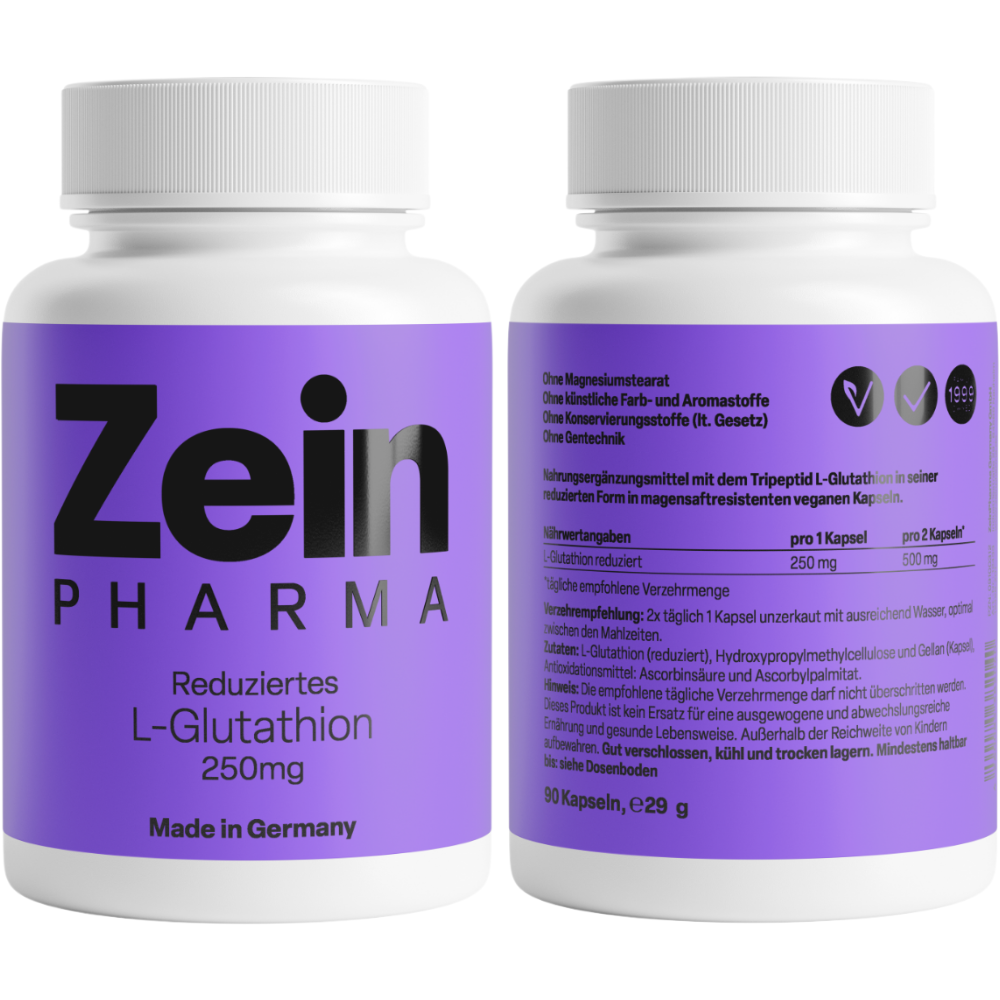
ZeinPharma L-Glutathione 250mg Antioxidant Food Supplement 90 caps.A food supplement for wrinkles and signs of ageing. It a powerful antioxidant that enhances oxygen levels and strengthens the immune system. Supports immune system function. Powerful antioxidant properties. Free from gluten, lactose, and artificial additives. L-Glutathione: Antioxidant that protects cells from free radicals.59,87 £*Shipping: 5,22 £Secure redirect to the provider
-
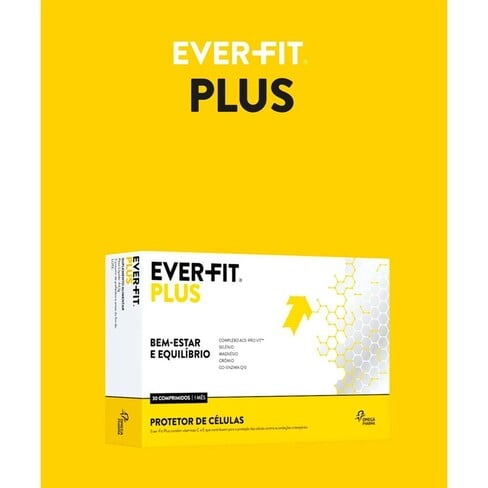
Ever-Fit Plus Antioxidant Supplement Balance and Wellness 30 pills Expiration Date: 2026-11-30A skin-care product for redness. Pollution, stress and smoking are aggressions present in our daily lives, and promote an exaggerated production of oxidizing free radicals. These substances contribute to the premature ageing and weakening of our cells. which can translate into tiredness and lack of productivity in our day-to-day activities.11,53 £*Shipping: 5,22 £Secure redirect to the provider
-
Vitafor Boraprim Food Supplement Antioxidant 30 caps.A food supplement. Boraprim Food Supplement is a premium dietary supplement designed to support hormonal balance and women's well-being throughout their cycles. Formulated as softgel capsules, it combines the benefits of evening primrose oil, borage oil, and sesame oil, addressing key health concerns like PMS symptoms and skin hydration.16,01 £*Shipping: 5,22 £Secure redirect to the provider
-
ZeinPharma NADH 15mg Antioxidant Food Supplement 40 caps.A food supplement. It a potent antioxidant that supports the body in combating stress and fatigue. This natural compound enhances immune function, boosts energy levels, and improves memory, making it ideal for those seeking to elevate their overall vitality. Powerful antioxidant properties. Supports cognitive function and memory.50,94 £*Shipping: 4,12 £Secure redirect to the provider
-
What is soot deposition on the wall?
Soot deposition on the wall refers to the accumulation of fine black particles on the surface of a wall. This soot is typically a byproduct of incomplete combustion of carbon-based fuels, such as wood, coal, or oil. It can be caused by sources such as fireplaces, candles, cooking, or smoking. Soot deposition can create unsightly black stains on walls and ceilings and may also pose health risks if inhaled. Regular cleaning and proper ventilation can help prevent soot deposition in indoor spaces. **
-
What is retrogressive erosion or retrogressive deposition?
Retrogressive erosion is the process by which a river or stream cuts backward into the landscape, causing the erosion of the land and the formation of steep-sided valleys or gullies. This can occur due to changes in the river's flow or the underlying geology of the area. Retrogressive deposition, on the other hand, is the process by which sediment is deposited in a backward or upstream direction, often due to a decrease in the river's flow or changes in the sediment load. Both processes can significantly alter the landscape and contribute to the shaping of the Earth's surface over time. **
-
How does copper deposition work according to Faraday's law?
Copper deposition according to Faraday's law occurs through the process of electrolysis. When a copper salt solution is electrolyzed, an electric current is passed through the solution, causing copper ions to gain electrons at the cathode and deposit as solid copper metal. Faraday's law states that the amount of substance deposited is directly proportional to the amount of electricity passed through the solution, and is also related to the equivalent weight of the substance. This allows for precise control over the amount of copper deposited based on the amount of electricity passed through the solution. **
-
How does the electrolytic deposition of Berlin brown work?
The electrolytic deposition of Berlin brown involves using an electrolyte solution containing a specific compound, such as potassium ferrocyanide. When an electric current is passed through the solution, the compound dissociates into its ions. The ferrocyanide ions are attracted to the cathode, where they gain electrons and form insoluble Berlin brown precipitate. This precipitate then coats the cathode, resulting in the deposition of Berlin brown. **
Similar search terms for Deposition
-
ZeinPharma Astaxanthin 4mg Antioxidant Food Supplement 90 caps.A food supplement. It a powerful antioxidant derived from natural microalgae, designed to support overall health and well-being. This supplement is known for its ability to strengthen the immune system, provide natural UV protection, and reduce inflammation, making it ideal for those concerned with joint pain and cardiovascular health.35,83 £*Shipping: 5,22 £Secure redirect to the provider
-
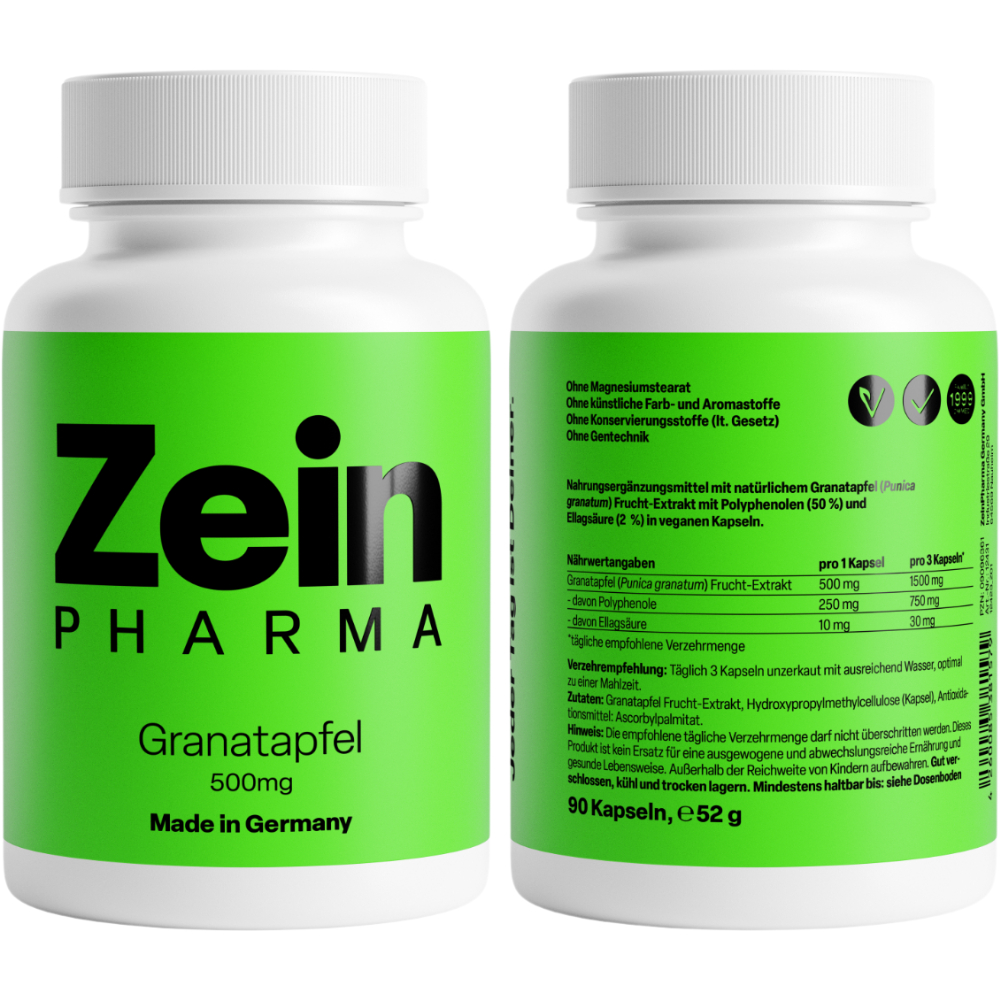
ZeinPharma Pomegranate Extract 500mg Antioxidant Food Supplement 90 caps.A food supplement. It a potent antioxidant that supports cardiovascular health, optimizes sugar metabolism, and provides effective anti-aging benefits. This easy-to-swallow capsule offers a smooth texture, making it a convenient addition to any wellness routine. Supports cardiovascular health. Optimizes sugar metabolism.34,30 £*Shipping: 5,22 £Secure redirect to the provider
-
ZeinPharma Trans-Resveratrol 125mg Antioxidant Food Supplement 120 caps.A food supplement. It a powerful antioxidant supplement that supports cardiovascular health while optimizing lipid metabolism. This vegetarian-friendly capsule offers a smooth texture and is easy to incorporate into daily routines, addressing concerns like high cholesterol and premature aging. Supports cardiovascular health.51,26 £*Shipping: 5,22 £Secure redirect to the provider
-
I need help with the calculation of deposition in electrolysis.
In electrolysis, the deposition of a substance on an electrode can be calculated using Faraday's laws of electrolysis. The amount of substance deposited is directly proportional to the quantity of electricity passed through the electrolyte. The formula for calculating the amount of deposition is given by mass = (current x time x atomic mass) / (charge of electron x Faraday's constant). By using this formula, you can calculate the amount of deposition in electrolysis. **
-
What is the difference between electrode deposition and electrode sedimentation?
Electrode deposition and electrode sedimentation are both processes used to coat a substrate with a layer of material through electrochemical methods. The main difference between the two is the mechanism by which the material is deposited onto the substrate. In electrode deposition, the material is directly deposited onto the substrate through the application of an electric current, while in electrode sedimentation, the material is first dispersed in a solution and then allowed to settle onto the substrate through gravity or other external forces. Overall, electrode deposition is a more controlled and precise process, while electrode sedimentation is more reliant on the settling behavior of the dispersed material. **
-
How do erosion, transportation, and deposition interact in the upper course of a river?
In the upper course of a river, erosion is the dominant process as the river cuts through the landscape, creating a V-shaped valley. As the river erodes the surrounding rock and soil, it transports the sediment downstream through the process of transportation. The sediment is then deposited along the riverbanks and in the riverbed as the river's velocity decreases, leading to the process of deposition. These three processes interact to shape the landscape of the upper course of a river, creating a dynamic and ever-changing environment. **
-
What is an antioxidant?
An antioxidant is a substance that helps protect cells from damage caused by free radicals. Free radicals are unstable molecules that can cause oxidative stress and lead to various diseases and aging. Antioxidants neutralize free radicals by donating an electron, thereby reducing their harmful effects on the body. Common antioxidants include vitamins C and E, beta-carotene, and selenium. **
* All prices are inclusive of VAT and, if applicable, plus shipping costs. The offer information is based on the details provided by the respective shop and is updated through automated processes. Real-time updates do not occur, so deviations can occur in individual cases. ** Note: Parts of this content were created by AI.