Buy gsh.co.at ?
We are moving the project
gsh.co.at .
Are you interested in purchasing the domain
gsh.co.at ?
domain@kv-gmbh.de · 0541-91531010
Buy gsh.co.at ?
Why are Rhesus antibodies (D-antibodies) injected after birth?
Rhesus antibodies, also known as D-antibodies, are injected after birth to prevent a condition known as hemolytic disease of the newborn (HDN). This condition occurs when a mother with Rh-negative blood type is exposed to Rh-positive blood from her baby during pregnancy or childbirth, leading to the mother's immune system producing antibodies against the baby's red blood cells. By injecting Rhesus antibodies after birth, any Rh-positive red blood cells from the baby that may have entered the mother's bloodstream are destroyed before her immune system can mount a significant response, preventing HDN from occurring in subsequent pregnancies. **
Why are Rhesus antibodies (D antibodies) injected after birth?
Rhesus antibodies, also known as D antibodies, are injected after birth to prevent a condition called hemolytic disease of the newborn (HDN). This condition occurs when a mother with Rh-negative blood type is exposed to Rh-positive blood from her baby during pregnancy or childbirth. The mother's immune system can develop antibodies against the Rh-positive blood, which can then attack the baby's red blood cells in future pregnancies. By injecting Rhesus antibodies after birth, any Rh-positive blood from the baby that may have entered the mother's bloodstream is targeted and destroyed before her immune system can develop its own antibodies, thus preventing HDN in future pregnancies. **
Similar search terms for Antibodies
Top-Angebote
Products related to Antibodies:
-
Vitafor Boraprim Food Supplement Antioxidant 30 caps.A food supplement. Boraprim Food Supplement is a premium dietary supplement designed to support hormonal balance and women's well-being throughout their cycles. Formulated as softgel capsules, it combines the benefits of evening primrose oil, borage oil, and sesame oil, addressing key health concerns like PMS symptoms and skin hydration.16,01 £*Shipping: 5,22 £Secure redirect to the provider
-
ZeinPharma NADH 15mg Antioxidant Food Supplement 40 caps.A food supplement. It a potent antioxidant that supports the body in combating stress and fatigue. This natural compound enhances immune function, boosts energy levels, and improves memory, making it ideal for those seeking to elevate their overall vitality. Powerful antioxidant properties. Supports cognitive function and memory.50,94 £*Shipping: 4,12 £Secure redirect to the provider
-
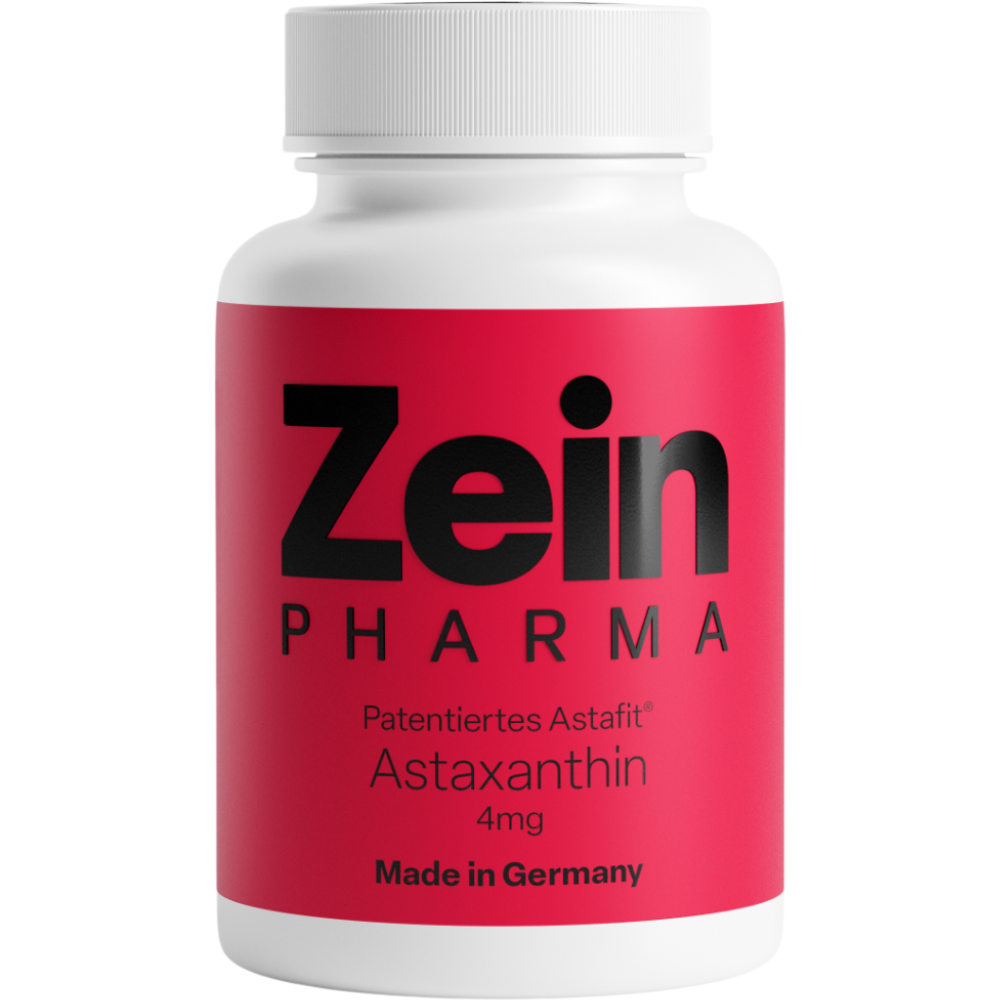
ZeinPharma Astaxanthin 4mg Antioxidant Food Supplement 90 caps.A food supplement. It a powerful antioxidant derived from natural microalgae, designed to support overall health and well-being. This supplement is known for its ability to strengthen the immune system, provide natural UV protection, and reduce inflammation, making it ideal for those concerned with joint pain and cardiovascular health.35,83 £*Shipping: 5,22 £Secure redirect to the provider

-
What antibodies are there and which antibodies are present in which blood groups?
There are several types of antibodies, but the most commonly known are IgG, IgA, IgM, IgD, and IgE. In the context of blood groups, the most relevant antibodies are the ABO antibodies and the Rh antibodies. ABO antibodies are present in individuals who do not have the A or B antigens on their red blood cells, and they can have anti-A or anti-B antibodies depending on their blood type. Rh antibodies are present in individuals who are Rh-negative and can develop anti-Rh antibodies if exposed to Rh-positive blood. **
-
How are humanized antibodies produced?
Humanized antibodies are produced by taking the variable region genes from a mouse antibody and combining them with the constant region genes from a human antibody. This process creates a chimeric antibody that retains the antigen-binding specificity of the mouse antibody while minimizing the potential for an immune response in humans. The resulting humanized antibody can then be produced using recombinant DNA technology in mammalian cell culture systems. This allows for the large-scale production of humanized antibodies for therapeutic use in treating various diseases, including cancer and autoimmune disorders. **
-
What does IgM antibodies mean?
IgM antibodies are a type of antibody produced by the immune system in response to an initial infection. They are the first antibodies to be produced in response to a new infection and are typically short-lived. IgM antibodies are important for the body's initial defense against pathogens, but they are eventually replaced by IgG antibodies, which provide long-term immunity. **
-
How many antibodies do you have?
As an AI language model, I do not have a physical body, so I do not have antibodies. Antibodies are produced by the immune system of living organisms to help fight off infections and diseases. Each person's immune system produces a unique set of antibodies to target specific pathogens. The number of antibodies a person has can vary depending on their individual immune response and exposure to different pathogens. **

Are immunoglobulins and antibodies the same thing?
Yes, immunoglobulins and antibodies are essentially the same thing. Immunoglobulins are a type of protein produced by the immune system in response to the presence of a foreign substance, such as a virus or bacteria. Antibodies are a specific type of immunoglobulin that specifically recognize and bind to these foreign substances, marking them for destruction by other immune cells. Therefore, while the terms are often used interchangeably, antibodies are a specific subset of the larger category of immunoglobulins. **
What is the difference between antigens and antibodies?
Antigens are molecules that can trigger an immune response in the body, such as viruses, bacteria, and other foreign substances. They are recognized by the immune system as being foreign and can stimulate the production of antibodies. Antibodies, on the other hand, are proteins produced by the immune system in response to the presence of antigens. They specifically bind to antigens and help to neutralize or eliminate them from the body. In summary, antigens are the foreign substances that trigger the immune response, while antibodies are the proteins produced by the immune system to target and neutralize antigens. **
Top-Angebote
Products related to Antibodies:
-
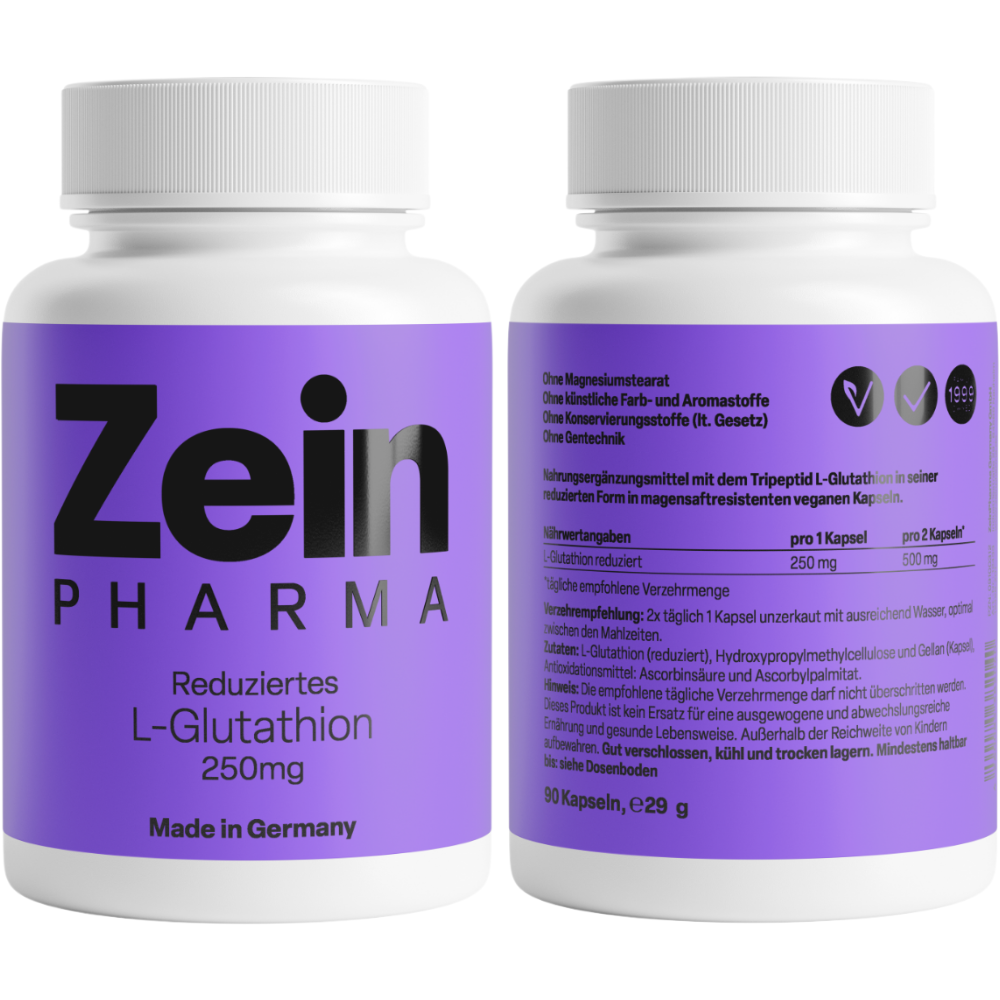
ZeinPharma L-Glutathione 250mg Antioxidant Food Supplement 90 caps.A food supplement for wrinkles and signs of ageing. It a powerful antioxidant that enhances oxygen levels and strengthens the immune system. Supports immune system function. Powerful antioxidant properties. Free from gluten, lactose, and artificial additives. L-Glutathione: Antioxidant that protects cells from free radicals.59,87 £*Shipping: 5,22 £Secure redirect to the provider
-
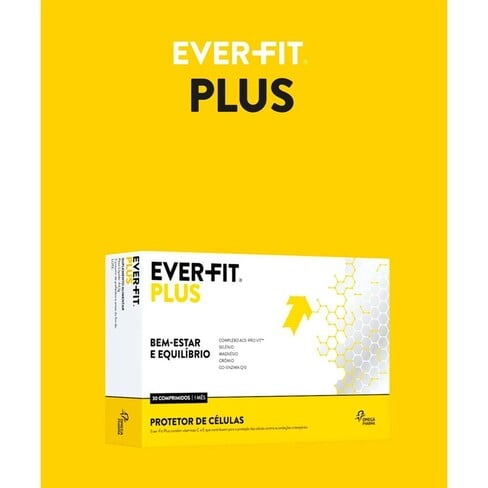
Ever-Fit Plus Antioxidant Supplement Balance and Wellness 30 pills Expiration Date: 2026-11-30A skin-care product for redness. Pollution, stress and smoking are aggressions present in our daily lives, and promote an exaggerated production of oxidizing free radicals. These substances contribute to the premature ageing and weakening of our cells. which can translate into tiredness and lack of productivity in our day-to-day activities.11,53 £*Shipping: 5,22 £Secure redirect to the provider
-
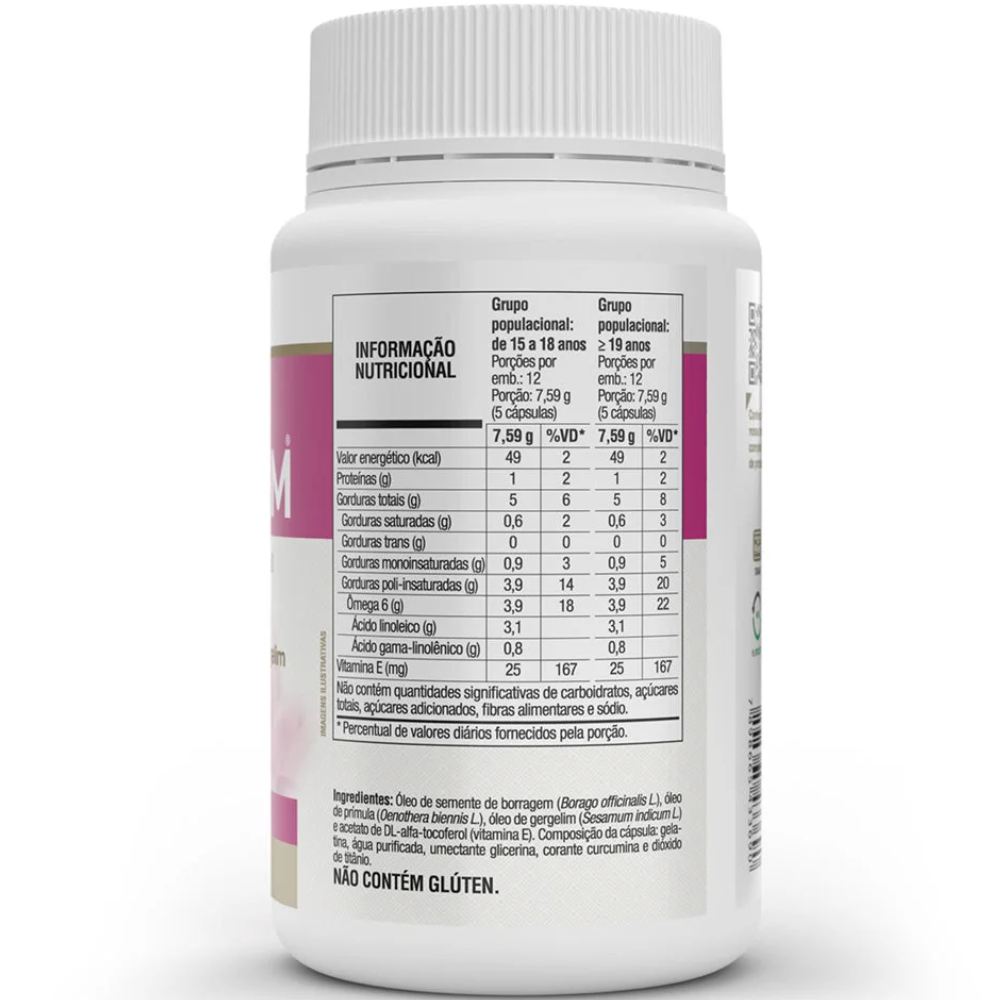
Vitafor Boraprim Food Supplement Antioxidant 30 caps.A food supplement. Boraprim Food Supplement is a premium dietary supplement designed to support hormonal balance and women's well-being throughout their cycles. Formulated as softgel capsules, it combines the benefits of evening primrose oil, borage oil, and sesame oil, addressing key health concerns like PMS symptoms and skin hydration.16,01 £*Shipping: 5,22 £Secure redirect to the provider
-
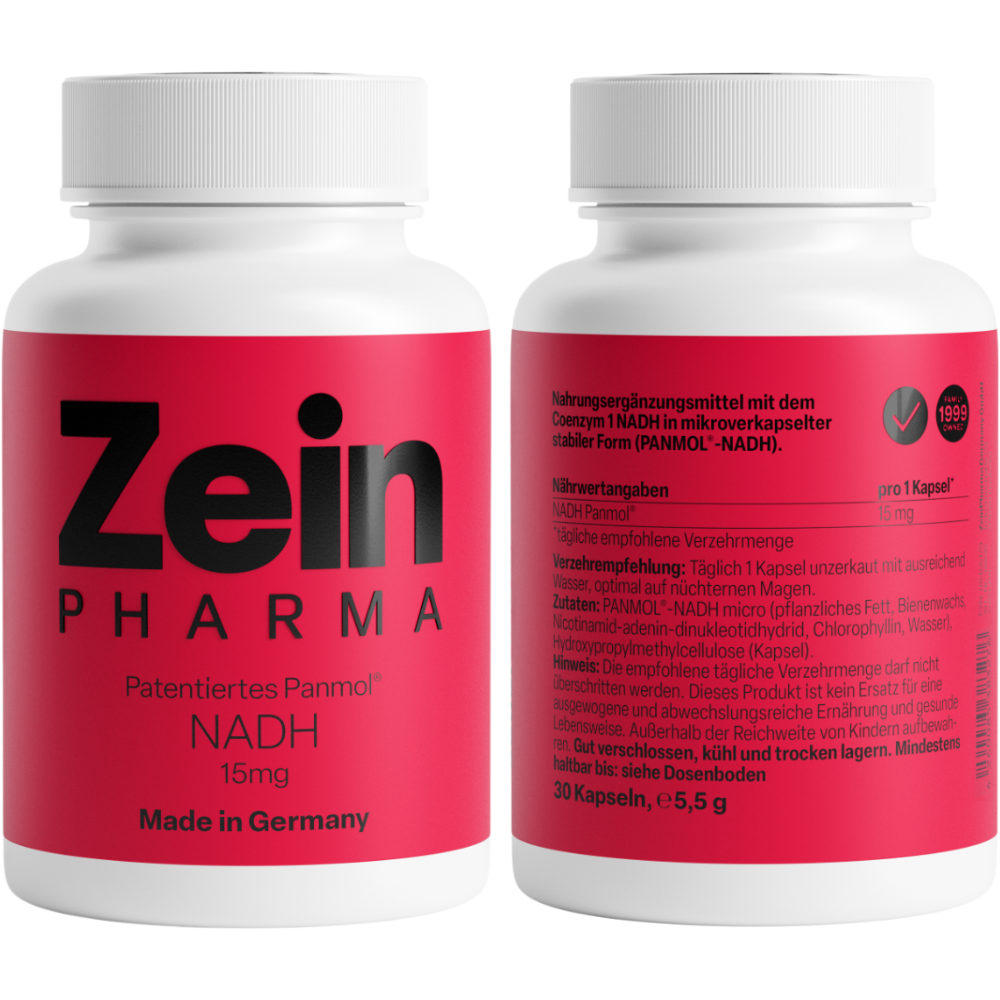
ZeinPharma NADH 15mg Antioxidant Food Supplement 40 caps.A food supplement. It a potent antioxidant that supports the body in combating stress and fatigue. This natural compound enhances immune function, boosts energy levels, and improves memory, making it ideal for those seeking to elevate their overall vitality. Powerful antioxidant properties. Supports cognitive function and memory.50,94 £*Shipping: 4,12 £Secure redirect to the provider
-
Why are Rhesus antibodies (D-antibodies) injected after birth?
Rhesus antibodies, also known as D-antibodies, are injected after birth to prevent a condition known as hemolytic disease of the newborn (HDN). This condition occurs when a mother with Rh-negative blood type is exposed to Rh-positive blood from her baby during pregnancy or childbirth, leading to the mother's immune system producing antibodies against the baby's red blood cells. By injecting Rhesus antibodies after birth, any Rh-positive red blood cells from the baby that may have entered the mother's bloodstream are destroyed before her immune system can mount a significant response, preventing HDN from occurring in subsequent pregnancies. **
-
Why are Rhesus antibodies (D antibodies) injected after birth?
Rhesus antibodies, also known as D antibodies, are injected after birth to prevent a condition called hemolytic disease of the newborn (HDN). This condition occurs when a mother with Rh-negative blood type is exposed to Rh-positive blood from her baby during pregnancy or childbirth. The mother's immune system can develop antibodies against the Rh-positive blood, which can then attack the baby's red blood cells in future pregnancies. By injecting Rhesus antibodies after birth, any Rh-positive blood from the baby that may have entered the mother's bloodstream is targeted and destroyed before her immune system can develop its own antibodies, thus preventing HDN in future pregnancies. **
-
What antibodies are there and which antibodies are present in which blood groups?
There are several types of antibodies, but the most commonly known are IgG, IgA, IgM, IgD, and IgE. In the context of blood groups, the most relevant antibodies are the ABO antibodies and the Rh antibodies. ABO antibodies are present in individuals who do not have the A or B antigens on their red blood cells, and they can have anti-A or anti-B antibodies depending on their blood type. Rh antibodies are present in individuals who are Rh-negative and can develop anti-Rh antibodies if exposed to Rh-positive blood. **
-
How are humanized antibodies produced?
Humanized antibodies are produced by taking the variable region genes from a mouse antibody and combining them with the constant region genes from a human antibody. This process creates a chimeric antibody that retains the antigen-binding specificity of the mouse antibody while minimizing the potential for an immune response in humans. The resulting humanized antibody can then be produced using recombinant DNA technology in mammalian cell culture systems. This allows for the large-scale production of humanized antibodies for therapeutic use in treating various diseases, including cancer and autoimmune disorders. **
Similar search terms for Antibodies
-
ZeinPharma Astaxanthin 4mg Antioxidant Food Supplement 90 caps.A food supplement. It a powerful antioxidant derived from natural microalgae, designed to support overall health and well-being. This supplement is known for its ability to strengthen the immune system, provide natural UV protection, and reduce inflammation, making it ideal for those concerned with joint pain and cardiovascular health.35,83 £*Shipping: 5,22 £Secure redirect to the provider
-
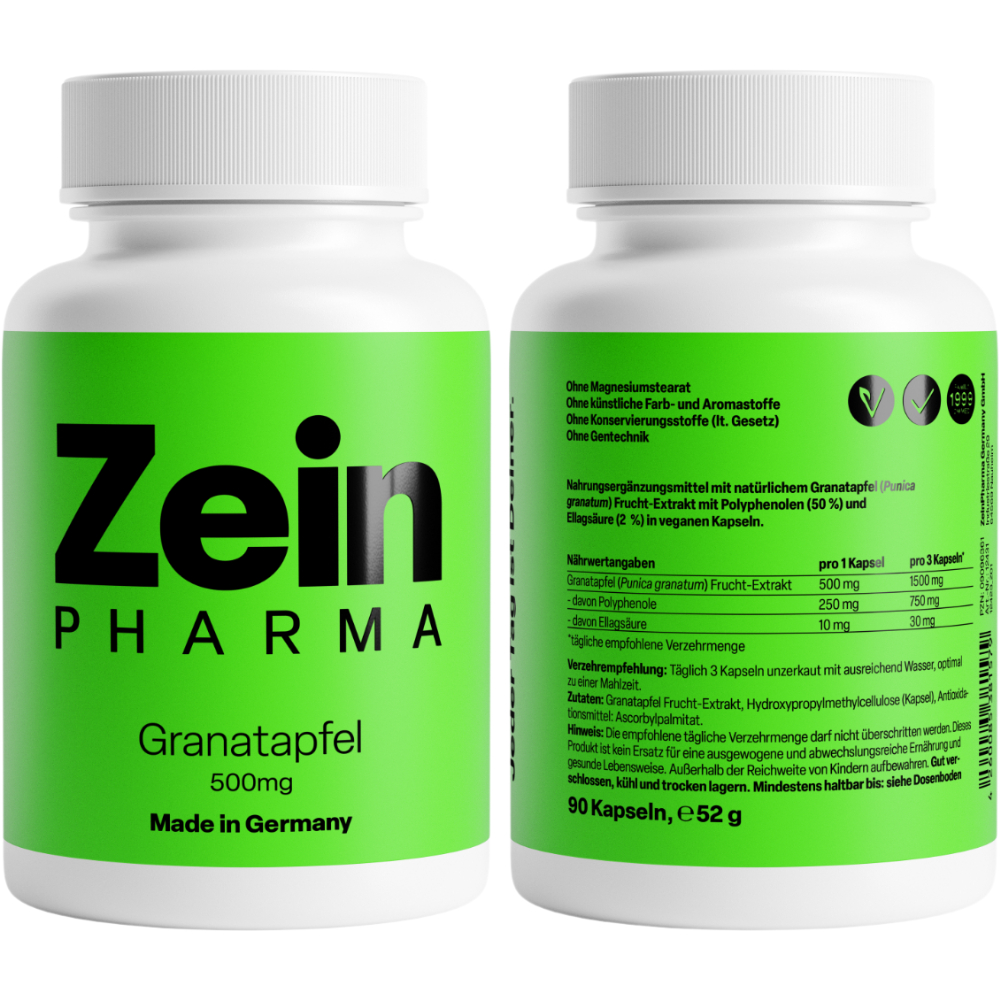
ZeinPharma Pomegranate Extract 500mg Antioxidant Food Supplement 90 caps.A food supplement. It a potent antioxidant that supports cardiovascular health, optimizes sugar metabolism, and provides effective anti-aging benefits. This easy-to-swallow capsule offers a smooth texture, making it a convenient addition to any wellness routine. Supports cardiovascular health. Optimizes sugar metabolism.34,30 £*Shipping: 5,22 £Secure redirect to the provider
-
ZeinPharma Trans-Resveratrol 125mg Antioxidant Food Supplement 120 caps.A food supplement. It a powerful antioxidant supplement that supports cardiovascular health while optimizing lipid metabolism. This vegetarian-friendly capsule offers a smooth texture and is easy to incorporate into daily routines, addressing concerns like high cholesterol and premature aging. Supports cardiovascular health.51,26 £*Shipping: 5,22 £Secure redirect to the provider
-
What does IgM antibodies mean?
IgM antibodies are a type of antibody produced by the immune system in response to an initial infection. They are the first antibodies to be produced in response to a new infection and are typically short-lived. IgM antibodies are important for the body's initial defense against pathogens, but they are eventually replaced by IgG antibodies, which provide long-term immunity. **
-
How many antibodies do you have?
As an AI language model, I do not have a physical body, so I do not have antibodies. Antibodies are produced by the immune system of living organisms to help fight off infections and diseases. Each person's immune system produces a unique set of antibodies to target specific pathogens. The number of antibodies a person has can vary depending on their individual immune response and exposure to different pathogens. **
-
Are immunoglobulins and antibodies the same thing?
Yes, immunoglobulins and antibodies are essentially the same thing. Immunoglobulins are a type of protein produced by the immune system in response to the presence of a foreign substance, such as a virus or bacteria. Antibodies are a specific type of immunoglobulin that specifically recognize and bind to these foreign substances, marking them for destruction by other immune cells. Therefore, while the terms are often used interchangeably, antibodies are a specific subset of the larger category of immunoglobulins. **
-
What is the difference between antigens and antibodies?
Antigens are molecules that can trigger an immune response in the body, such as viruses, bacteria, and other foreign substances. They are recognized by the immune system as being foreign and can stimulate the production of antibodies. Antibodies, on the other hand, are proteins produced by the immune system in response to the presence of antigens. They specifically bind to antigens and help to neutralize or eliminate them from the body. In summary, antigens are the foreign substances that trigger the immune response, while antibodies are the proteins produced by the immune system to target and neutralize antigens. **
* All prices are inclusive of VAT and, if applicable, plus shipping costs. The offer information is based on the details provided by the respective shop and is updated through automated processes. Real-time updates do not occur, so deviations can occur in individual cases. ** Note: Parts of this content were created by AI.